Dog and cat feeding, bounded
Feed the pet in front of you, not the average one.
Start with the label, the bowl, and the routine you can actually measure. Use the calculators and guides to make one careful change, or to know when the question belongs with your veterinarian.

Use the tool
Pet Feeding Calculator
Estimates use visible inputs and published-reference assumptions. They do not replace veterinary care for illness, pregnancy, weight concerns, or appetite changes.
Use this as an estimate from label calories, not a feeding order. Ask your veterinarian before changing portions for growth, pregnancy, illness, weight concerns, or persistent appetite changes.
This result says: the result gives a bounded daily range to compare with measured meals, treats, toppers, and activity.
It does not say: that the exact midpoint is the right serving for every dog or every week.
Do not change today: do not change the bowl until the current serving and treat calories are measured for at least one normal day.
Start With a Tool
Each tool shows what it can estimate and where a veterinarian should take over.
 Tool
ToolPet Feeding Calculator
Estimate daily calories and servings from weight and label calories, then see assumptions, stop points, and next guide links.
 Tool
ToolPet Calorie Calculator
Calculate a calorie estimate, compare it with food labels and real portions, and learn when the number is not enough.
 Tool
ToolFood Transition Schedule
Build a 7-day or 10-day food transition plan with old-food and new-food percentages, meal notes, and stop conditions.
Browse by Feeding Question
Hubs are organized by the owner task: portion, schedule, label, food type, safety, or vet question.
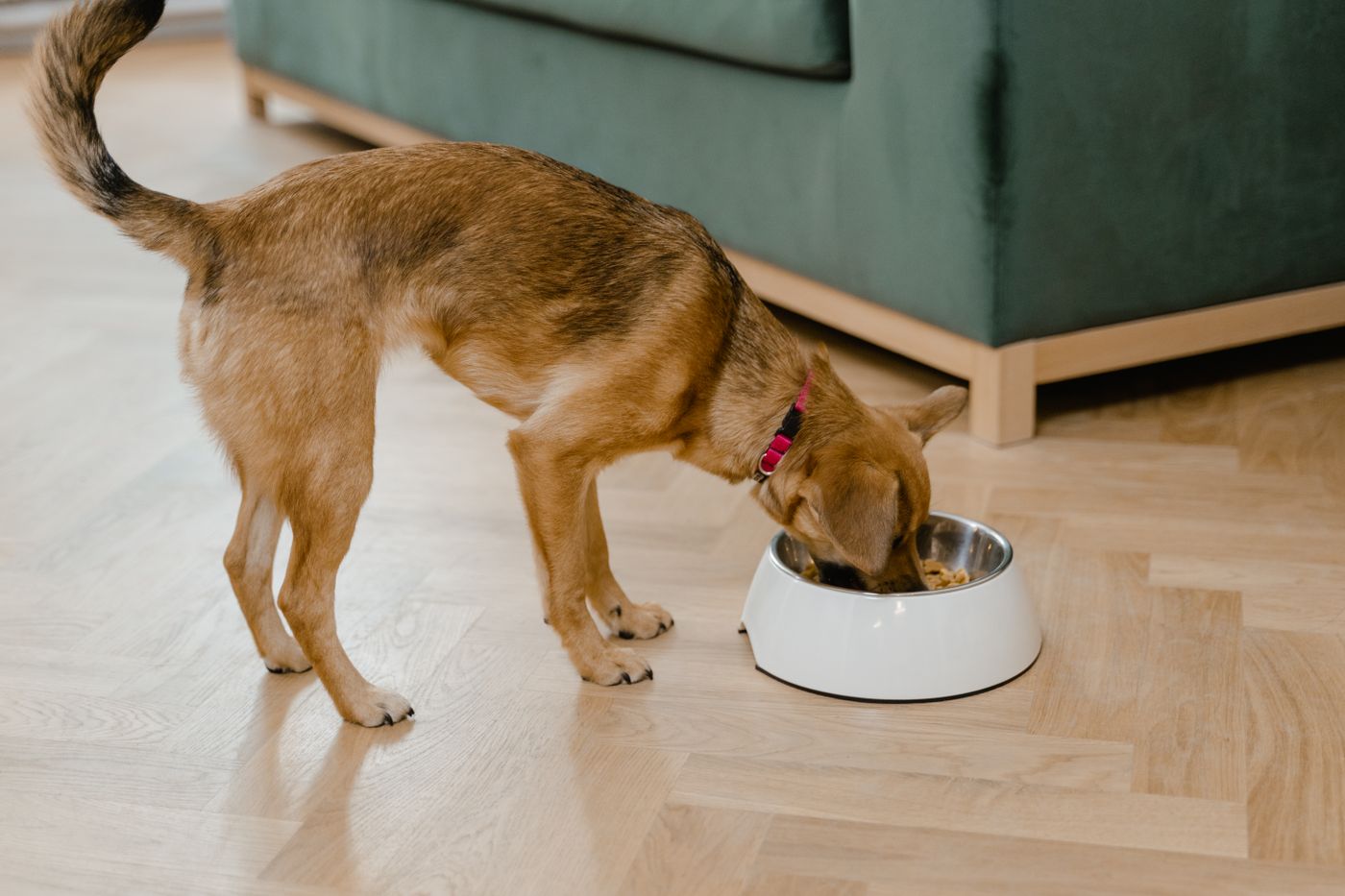 Dog FeedingDog Feeding GuidesChoose dog portion, schedule, transition, treat, and appetite guides that start from the current bowl, label calories, and household routine.
 Cat FeedingCat Feeding GuidesChoose cat portion, meal timing, wet food, dry food, hydration, picky eating, and treat guides by the problem visible at today's meals.
 Puppy and Kitten FeedingPuppy and Kitten FeedingFind puppy and kitten feeding guides for growth-stage portions, meal frequency, transitions, training treats, and vet questions.
 Pet Food LabelsPet Food Label GuidesRead pet food labels by checking calories, AAFCO wording, guaranteed analysis, ingredients, feeding directions, and package claims.
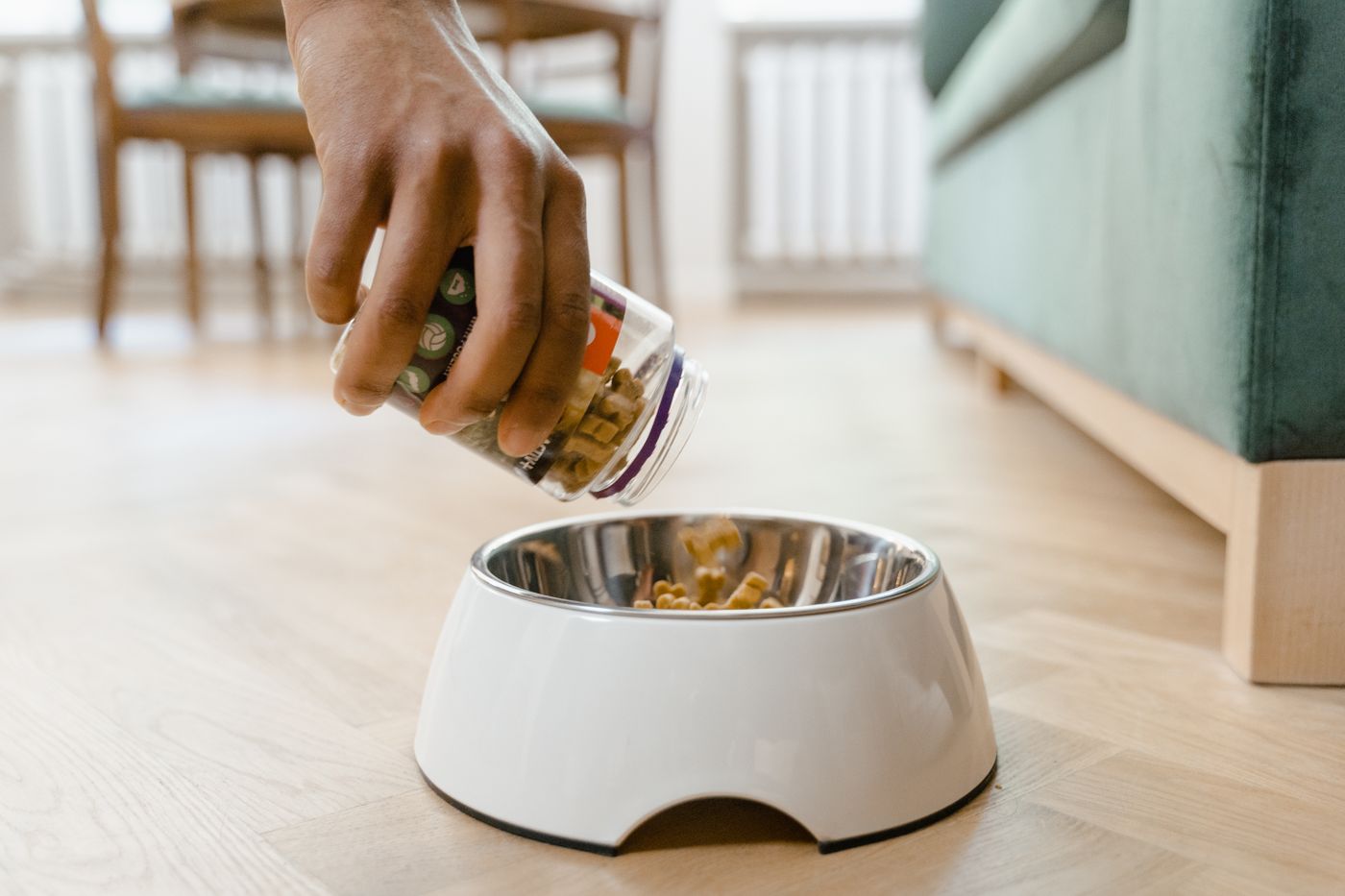 Pet Food TypesPet Food Types ComparedCompare dry, wet, fresh, freeze-dried, raw, homemade, grain-free, and treat formats by calories, handling, cost, and safety.
 Food SafetyPet Food SafetyUse pet food safety guides for unsafe foods, storage, recalls, bowl hygiene, raw handling, leftovers, and travel-day routines.
 Weight ManagementPet Weight ManagementReview pet weight questions with body condition, measured portions, treat limits, appetite clues, activity, and weight trend notes.
 Special Diet QuestionsSpecial Diet Questions for Your VetPrepare special diet questions with food labels, feeding logs, symptoms, monitoring notes, and boundaries for the vet visit.
Useful feeding advice starts with the boring facts.
Calories on the package, the amount in the bowl, treats, appetite, stool, water, and weight trend matter before brand claims or quick switches. FeedPetWise keeps those facts visible and sends health-sensitive questions back to your veterinarian.
Use the site like a feeding checkup
Start with what can be measured today, choose one narrow guide, and stop when the question depends on an individual pet's health.
Start with the number you can verify
Most feeding mistakes start with a guess: a scoop that changed sizes, a can size that was remembered wrong, or a treat routine that never made it into the total. FeedPetWise starts with the calories printed on the label and the weight you can measure today, then shows the assumptions before suggesting a next page.
Choose the narrowest next page
A good feeding answer depends on the question. Portion questions belong in the calculator, package claims belong in the label guides, storage or exposure concerns belong in food safety, and illness or therapeutic-food contexts belong in veterinarian question pages. The site is organized so readers can move to the smallest useful decision instead of browsing a generic pet encyclopedia.
Keep the veterinarian boundary visible
The site can help an owner prepare measurements, compare labels, and slow down routine changes. It cannot examine a pet, explain appetite changes for an individual animal, or decide whether a disease, medication, pregnancy, growth stage, or weight trend changes the plan. Those cases are routed toward questions to bring to a veterinarian.
Use the result as a review loop
A useful feeding page should change what the owner does next, not just what they know. The loop is simple: measure the current routine, check the label, choose one change or one question, and review the same signals before making a second change. That keeps the site practical for everyday feeding without pretending to replace individual veterinary care.
A common starting point
A new dog owner arrives with a scoop, a bag label, and a dog that still seems hungry after dinner. They use the calculator to compare label calories with the measured serving, then choose the dog feeding or label guide before changing the routine.
Before you change the bowl
- Enter a current weight before trusting a portion estimate.
- Use the calories printed on the food label, not a remembered serving size.
- Pick one next guide that matches the real decision: amount, timing, label, safety, or veterinarian question.
When this site should stop
FeedPetWise gives practical feeding estimates. Do not use the calculator or guides to handle illness, pregnancy, weight concerns, appetite changes, medication, or growth questions without your veterinarian.
In the Kitchen
Most readers do not arrive with a clean nutrition question. They arrive with a scoop, a label, a hungry pet, and one household routine that feels inconsistent.
Why it matters
That is why the first screen keeps the calculator and guide choices together instead of asking readers to browse a broad article library first.
What to do next
Use the site by writing down the current food, calories, amount, treats, and timing before choosing a guide or changing the bowl.
Why the site stays cautious
This starting page stays deliberately cautious: it helps readers measure the bowl, choose the right guide, and move medical, appetite, pregnancy, growth, or weight concerns into a veterinarian conversation.
Last checked within the past six months; update sooner when calculators, navigation, or veterinary-boundary wording changes.
The homepage is written as a routing page, not a medical decision page. Its job is to help readers reach a calculator, label guide, safety guide, or veterinarian-prep page without pretending one answer fits every pet.
How the guides stay boundedOwner Questions
Where should I start if I only know my pet's weight and food label?
Start with the pet feeding calculator, using the current weight and calories printed on the package. Then open the guide that matches the remaining question: amount, schedule, label meaning, safety, weight trend, or veterinarian preparation.
Can FeedPetWise tell me the exact amount my dog or cat should eat?
No. The calculators and guides give bounded planning estimates and measurement steps. Exact feeding changes depend on age, body condition, health history, activity, appetite, medication, and your veterinarian's guidance.
Why do the pages ask me to measure before changing food?
Most feeding problems are hard to review when food type, portion, treats, and meal timing all change together. Measuring the current routine first makes the next change smaller, safer, and easier to evaluate.
When should I stop using a guide and ask a veterinarian?
Stop when illness, pregnancy, growth concerns, appetite change, vomiting, diarrhea, medication, unexpected weight change, or a therapeutic diet is involved. In those cases, use the site to prepare notes and questions instead of changing the plan at home.
Useful Starting Guides
Representative feeding questions from the guide library.